
With the increasing focus on energy efficiency and comfort, Heating and Air Companies Near Me Offering Smart Thermostat Installations have become a popular choice for homeowners. This article delves into the various aspects of smart thermostats, from their benefits to the installation process, providing valuable insights for anyone looking to upgrade their HVAC system.
Importance of Smart Thermostats in Heating and Air Companies
Smart thermostats play a crucial role in enhancing the efficiency and effectiveness of heating and air companies. These innovative devices offer a range of benefits that can significantly improve the overall performance of HVAC systems and provide a better experience for customers.
Optimizing Energy Usage
Smart thermostats are designed to learn the heating and cooling patterns of a home and adjust the temperature settings accordingly. By automatically optimizing energy usage based on occupancy and preferences, these devices help reduce energy waste and lower utility costs for homeowners.
This not only benefits the environment by decreasing carbon emissions but also saves customers money in the long run.
Improving Indoor Comfort Levels
One of the key advantages of smart thermostats is their ability to enhance indoor comfort levels. With features like remote control and smart scheduling, homeowners can easily maintain a comfortable temperature throughout the day, ensuring a pleasant living environment. This personalized approach to heating and cooling can lead to increased customer satisfaction and loyalty for heating and air companies.
Reducing Utility Bills
Smart thermostats can have a significant impact on reducing utility bills for homeowners. By monitoring energy usage and providing insights into heating and cooling patterns, these devices enable users to make informed decisions about their energy consumption. With the ability to adjust settings remotely and set energy-saving schedules, smart thermostats help homeowners save money on their monthly utility bills while maintaining a comfortable indoor environment.
Installation Process for Smart Thermostats
When it comes to installing smart thermostats in heating and air systems, there are a few key steps involved to ensure a seamless integration. Let's take a closer look at the process and discuss some common challenges technicians may face along the way.
Connecting Smart Thermostats to HVAC Systems
To connect a smart thermostat to an HVAC system, technicians typically follow these steps:
- Turn off power: Before beginning any work, it's crucial to shut off the power to the HVAC system to prevent any accidents.
- Remove the old thermostat: The existing thermostat must be carefully removed to make way for the new smart thermostat.
- Label wires: Each wire connected to the old thermostat should be labeled to ensure correct connections to the new device.
- Connect the new thermostat: Following the manufacturer's instructions, the smart thermostat is connected to the HVAC system using the labeled wires.
- Set up the smart features: Once the physical installation is complete, technicians will configure the smart features and connect the thermostat to the home's Wi-Fi network.
- Test the system: Finally, the system is tested to ensure everything is functioning correctly before leaving the installation site.
Common Challenges and How to Overcome Them
During the installation process, technicians may encounter challenges such as:
- Compatibility issues: Some HVAC systems may not be compatible with certain smart thermostats, requiring additional adapters or modifications.
- Complex wiring: Older HVAC systems with complicated wiring can make installation more challenging, requiring careful attention to detail.
- Wi-Fi connectivity problems: Connecting the thermostat to the home's Wi-Fi network may pose difficulties in areas with poor signal strength.
To overcome these challenges, technicians can:
- Research compatibility beforehand and recommend suitable smart thermostats for the specific HVAC system.
- Take extra care when handling intricate wiring, double-checking connections to ensure accuracy.
- Use Wi-Fi extenders or boosters to improve connectivity in areas with weak signals.
Integration of Smart Thermostats with Existing HVAC Systems
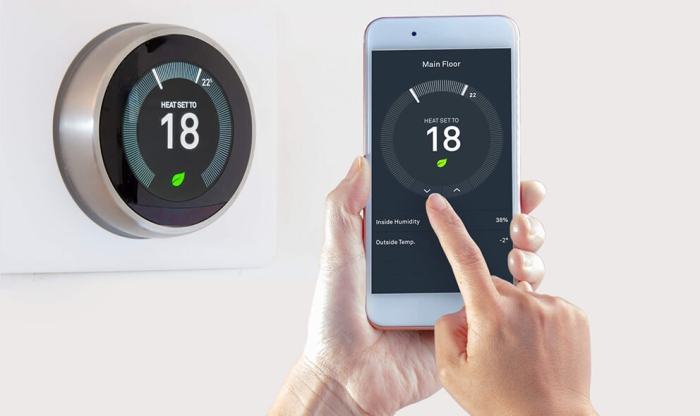
Smart thermostats offer a convenient way to control heating and cooling systems in homes and businesses. Integrating these devices with existing HVAC systems can enhance energy efficiency and overall comfort. Let's explore how smart thermostats can be seamlessly integrated with different heating and cooling systems.
Compatibility with Different HVAC Systems
Smart thermostats are designed to work with a variety of heating and cooling systems, including central HVAC systems, heat pumps, and ductless mini-split systems
Some smart thermostats may require a C-wire for power, so make sure your system is equipped with one or be prepared to install a C-wire adapter.
- Central HVAC Systems: Smart thermostats can easily replace traditional thermostats in central HVAC systems. Most smart thermostats are compatible with 24-volt systems commonly found in homes and commercial buildings.
- Heat Pumps: Smart thermostats work well with heat pump systems, allowing users to control both heating and cooling functions efficiently.
- Ductless Mini-Split Systems: Some smart thermostats are specifically designed for ductless mini-split systems, offering advanced features tailored to these setups.
Tips for Seamless Integration
To ensure a smooth integration of a smart thermostat with your existing HVAC system, consider the following tips:
- Check Compatibility: Verify that the smart thermostat you choose is compatible with your specific heating and cooling system.
- Professional Installation: For complex systems or if you are unsure about the installation process, it is recommended to hire a professional HVAC technician for installation.
- Connectivity Setup: Follow the manufacturer's instructions carefully to connect the smart thermostat to your Wi-Fi network and configure it with your HVAC system.
- Testing and Calibration: After installation, test the smart thermostat to ensure it is communicating effectively with your HVAC system. Calibrate the settings as needed for optimal performance.
Benefits of Hiring Professional Heating and Air Companies for Smart Thermostat Installations
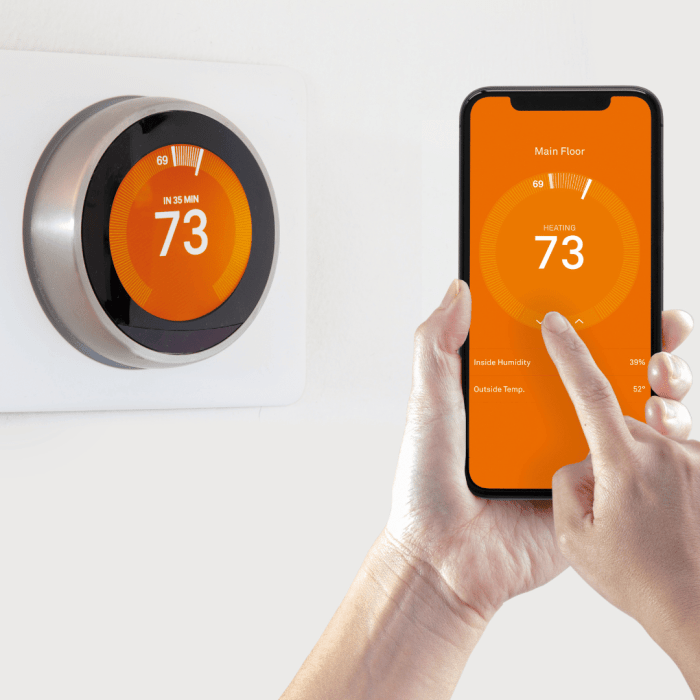
When it comes to installing smart thermostats, hiring professional heating and air companies can offer numerous advantages over attempting a DIY installation. These professionals have the expertise and experience to ensure that your smart thermostat is installed correctly and optimized for maximum efficiency.
Expert Installation and Setup
Professional heating and air companies have technicians who are trained in the installation and setup of smart thermostats. They understand the intricacies of these devices and can ensure that everything is connected properly and functioning as it should. This level of expertise is essential for getting the most out of your smart thermostat.
- Professionals can accurately assess your home's heating and cooling needs to program the smart thermostat effectively.
- They can troubleshoot any issues that may arise during installation, ensuring a smooth setup process.
- Professional installation guarantees that your smart thermostat is integrated seamlessly with your existing HVAC system.
Efficiency and Performance
Compared to a DIY installation, professional installations of smart thermostats often result in better efficiency and performance. This is because professionals know how to calibrate the thermostat correctly, taking into account factors such as your home's insulation, layout, and HVAC system.
Professional installations can lead to energy savings by ensuring that your smart thermostat is programmed for optimal temperature control.
- Proper installation by professionals can prevent issues such as incorrect wiring or compatibility problems that may arise with DIY installations.
- Professionals can provide guidance on using the smart thermostat features effectively to maximize its benefits.
- Professional installations typically come with warranties or guarantees, giving you peace of mind that the job is done right.
Final Conclusion
In conclusion, the integration of smart thermostats into heating and air systems not only improves energy efficiency but also enhances indoor comfort levels. By hiring professional companies for smart thermostat installations, homeowners can ensure proper setup and optimal performance. Embrace the future of home temperature control with smart thermostats from trusted heating and air companies near you.
Question & Answer Hub
How can smart thermostats optimize energy usage?
Smart thermostats can learn your heating and cooling preferences over time, adjusting the temperature accordingly to reduce energy waste.
What are the common challenges technicians face during smart thermostat installation?
Technicians may encounter compatibility issues with existing HVAC systems or difficulties in connecting the thermostat to the system.
Why is it beneficial to hire professional companies for smart thermostat installations?
Professional companies ensure proper installation, setup, and compatibility, leading to higher efficiency and performance compared to DIY installations.