
Emergency HVAC Repair Near Me for Airflow Problems sets the stage for this enthralling narrative, offering readers a glimpse into a story that is rich in detail with casual formal language style and brimming with originality from the outset.
As we delve into the intricacies of HVAC systems and their airflow issues, it becomes evident how crucial immediate repair is to maintain indoor air quality and system efficiency. Let's explore the common problems, warning signs, and the significance of timely professional assistance in addressing these issues effectively.
Importance of Emergency HVAC Repair
Immediate repair for HVAC systems during airflow problems is crucial to ensure the efficient operation of the system and maintain indoor air quality. Delays in addressing airflow issues can lead to a worsening of the problem, impacting the overall performance of the HVAC system and potentially affecting the health and comfort of occupants.
Risks of Ignoring Airflow Problems
- Reduced Air Quality: Poor airflow can result in inadequate ventilation, leading to a buildup of pollutants, allergens, and other harmful particles in the indoor air.
- Decreased Energy Efficiency: Airflow issues can cause the HVAC system to work harder to maintain desired temperatures, resulting in higher energy consumption and increased utility bills.
- Uneven Heating or Cooling: Improper airflow can lead to uneven distribution of air throughout the space, creating hot and cold spots and reducing overall comfort.
- Shortened Lifespan of HVAC System: Continuous strain on the system due to airflow problems can accelerate wear and tear, leading to premature breakdowns and the need for costly repairs or replacements.
Common Airflow Issues in HVAC Systems
Airflow problems in HVAC systems can lead to discomfort, inefficiency, and even damage if not addressed promptly. Two common issues that often require emergency HVAC repair are clogged filters and leaky ducts.
Clogged Filters
Clogged filters are a frequent cause of airflow problems in HVAC systems. When filters become dirty or blocked with dust and debris, they restrict the flow of air through the system. This can lead to reduced airflow to different areas of your home or building, causing uneven heating or cooling.
In severe cases, clogged filters can even cause the system to overheat and shut down.
Leaky Ducts
Leaky ducts are another common culprit behind airflow issues in HVAC systems. When ductwork has leaks or gaps, air can escape before it reaches its intended destination. This not only reduces the effectiveness of your HVAC system in heating or cooling your space but also leads to energy wastage.
Your system will have to work harder to compensate for the lost air, resulting in higher energy bills and increased wear and tear on the equipment.
Signs of Airflow Problems
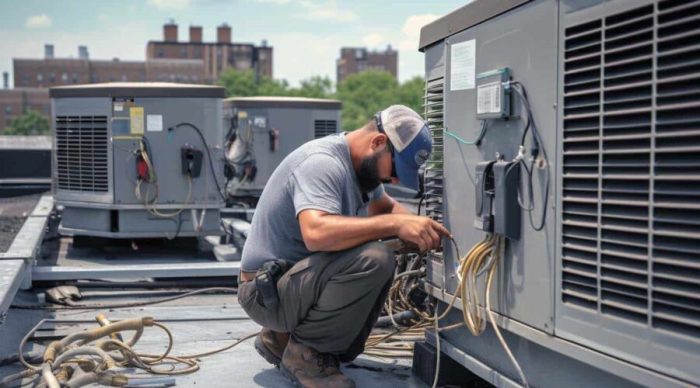
Airflow problems in HVAC systems can manifest in various ways, impacting the efficiency and effectiveness of the system. Recognizing the signs of airflow issues is crucial for timely intervention and maintenance.
Unusual Noises and Odors
One common indication of airflow problems in HVAC systems is the presence of strange noises or unpleasant odors. These can be caused by blockages in the ductwork, clogged filters, or malfunctioning components. It is important not to ignore these signs as they can lead to more serious issues if left unaddressed.
Inconsistent Temperatures
Poor airflow can result in inconsistent temperatures throughout a building. Certain areas may feel significantly warmer or cooler than others, even when the thermostat is set at a consistent temperature. This can be frustrating for occupants and may indicate a problem with the distribution of air within the system.
Importance of Timely Professional Assistance
Seeking professional help for emergency HVAC repairs is crucial to ensure the effective and efficient resolution of airflow problems in your system. HVAC systems are complex and require specialized knowledge and tools to diagnose and fix issues accurately. Here are some reasons why timely professional assistance is essential:
Expertise and Tools Required
Professional HVAC technicians have the expertise and experience to accurately diagnose airflow issues in your system. They are trained to identify the root cause of the problem and implement the necessary repairs to restore optimal airflow. Additionally, HVAC professionals have access to specialized tools and equipment that are essential for diagnosing and fixing complex airflow problems effectively.
Benefits of Experienced Technicians
Relying on experienced technicians for emergency HVAC repairs offers numerous benefits. These professionals have a deep understanding of HVAC systems and can quickly identify and address airflow issues to prevent further damage. By hiring a reputable HVAC company, you can ensure that the repairs are done correctly the first time, saving you time and money in the long run.
Moreover, professional technicians can provide valuable maintenance tips to help you avoid future airflow problems and maximize the efficiency of your HVAC system.
Closure
In conclusion, Emergency HVAC Repair Near Me for Airflow Problems underscores the essential need for proactive maintenance and swift intervention to safeguard both the functionality of HVAC systems and the well-being of occupants. By recognizing the signs, seeking timely help, and prioritizing professional expertise, individuals can ensure optimal airflow and a comfortable indoor environment.
Answers to Common Questions
What are the risks of ignoring airflow problems in HVAC systems?
Ignoring airflow issues can lead to reduced system efficiency, poor air quality, and potential breakdowns that may require costly repairs in the future.
How can leaky ducts impact energy efficiency in HVAC systems?
Leaky ducts can cause air loss, forcing the system to work harder to maintain desired temperatures, resulting in increased energy consumption and higher utility bills.
What are some common signs of airflow problems in HVAC systems?
Common signs include weak airflow from vents, uneven heating or cooling in different areas, and persistent odors or unusual sounds emanating from the system.